Administrator Math Resources
Access a curated collection of guidance, planning tools, implementation resources, and leadership supports to strengthen mathematics programs and foster continuous improvement. This collection is not exhaustive but highlights resources that can support effective mathematics leadership and implementation.
As new resources become available, this page will continue to grow. We encourage you to visit often and explore materials that support meaningful mathematics learning for every learner.
Landscape Analysis
The Future of Jobs Report 2025
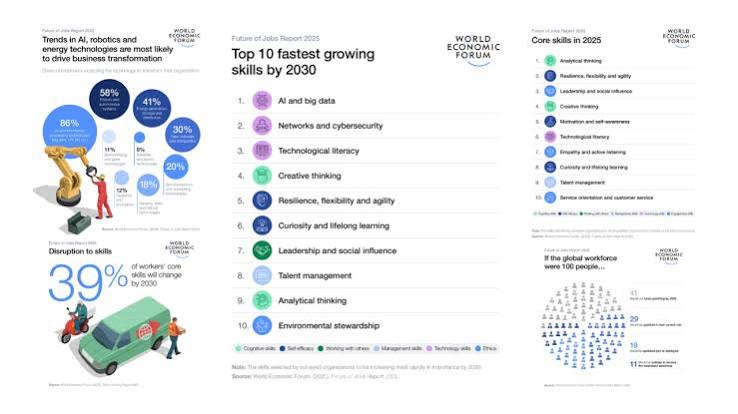
This report offers a global perspective on the trends shaping the future of work and the skills employers anticipate will be most in demand. It serves as a resource for educators and leaders seeking to align mathematics instruction with opportunities for critical thinking, problem solving, collaboration, data literacy, and other competencies that prepare students for college, career, and civic life. To access the report, visit
The Future of Jobs Report 2025 webpage.
Statement on Competencies in Mathematics Expected of Entering College Students
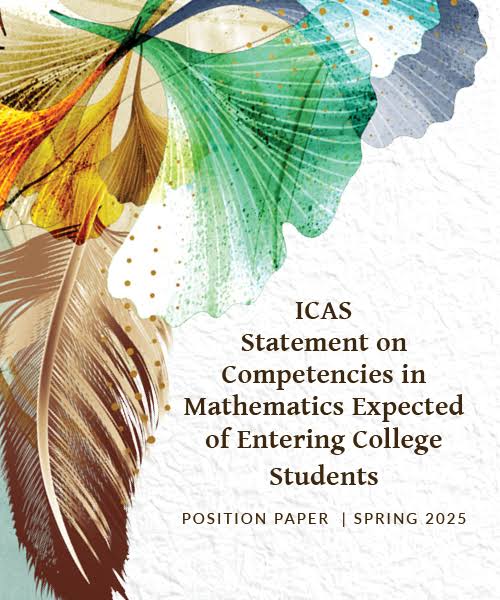
The Statement on Competencies in Mathematics Expected of Entering College Students provides a clear, shared understanding of the mathematical knowledge, practices, and experiences students need to succeed in college. This resource can support educators, counselors, students, and families in making informed decisions about high school mathematics pathways while helping schools align instruction with students’ evolving interests, college goals, and future opportunities. Read the
Statement on Competencies in Mathematics Expected of Entering College Students Position Paper.
Learning Acceleration
Learning Acceleration Roadmap Toolkit
Learning acceleration is about providing all students with meaningful access to grade-level learning while offering timely support that builds on their strengths. This toolkit guides educators and leaders through a collaborative planning process that uses asset mapping, data-informed decision making, and continuous improvement to create equitable and sustainable systems of support. Explore CCLA's
Learning Acceleration Roadmap toolkit.
Playbook for Accelerating Learning (CCEE)

The Playbook for Accelerating Learning is a curated collection of research, tools, and implementation resources that support educators and leaders in creating effective learning acceleration systems. Organized around key components of accelerated learning, the playbook offers practical guidance to help schools and districts strengthen instruction, support diverse learners, and build sustainable conditions for student success. Browse the California Collaborative for Educational Excellences' Playbook for Accelerated Learning.
MLL Supports
EL Roadmap Administrator Toolkit
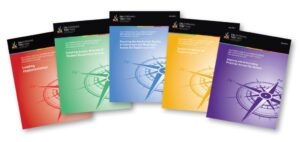
The EL Roadmap Administrator Toolkit is designed to support administrators as they take up the challenge of leading and supporting the policy’s implementation. The five-volume toolkit explores the role of administrators, provides tools for reflection and planning, incorporates relevant readings, and offers resources administrators can use to support EL Roadmap implementation. Download and/or purchase copies of the
EL Roadmap Administrator Toolkit.
Tip Sheet for Incorporating Evidence-Based Practices to support Multilingual Learners (MLs) in Secondary (Middle and High School) Math
This Educator Tip Sheet provides resources and links to training materials used as part of the Improving Math Outcomes for Middle School Multilingual Learners in Santa Clara County partnership. The materials focus on how to effectively incorporate evidence-based practices to improve the language development and math achievement of Multilingual Learners at the secondary level. View the
Educator Tip Sheet (PDF).
Equitable Grading
Equitable Grading Toolkits
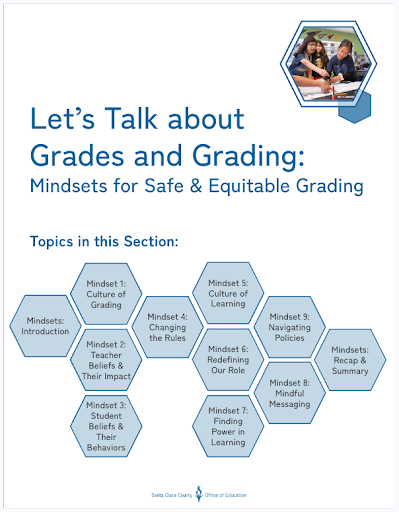
This toolkit provides research-informed resources and practical strategies to help educators, school teams, and leaders examine and strengthen grading systems through an equity lens. It is intended to support collaborative learning, reflection, and implementation of practices that promote accurate, meaningful, and equitable communication of student learning. Explore the
Equitable Grading Toolkit.
Piloting & Adopting Materials
Guidance for Local Instructional Materials Adoptions

The Guidance for Local Instructional Materials Adoptions (GLIMA) provides California educators and leaders with a comprehensive framework for selecting and implementing high-quality instructional materials. The resource supports local adoption teams in designing transparent, evidence-based processes that align instructional materials with the California Mathematics Framework, local priorities, and the diverse needs of all learners. Download the
Guidance for Local Instructional Materials Adoption (DOCX, 895KB).
Defining High-Quality Instructional Materials for Mathematics: Centering the Assets and Needs of Multilingual Learner and English Learner Students
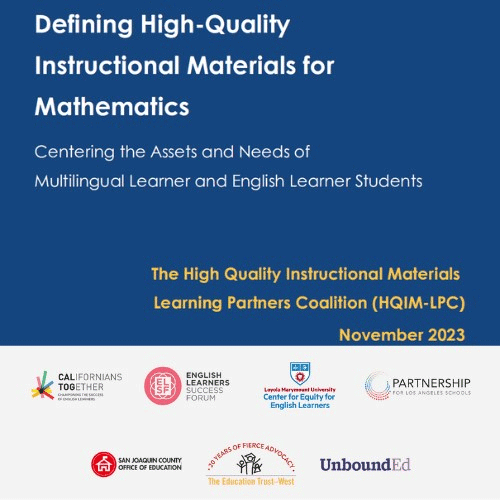
This position paper offers a framework for examining mathematics instructional materials with particular attention to the strengths, experiences, and needs of multilingual learners and English learners. It serves as a valuable resource for adoption committees, instructional leaders, and educators seeking to select and implement materials that support equitable access to meaningful mathematics learning. View the
Defining High-Quality Instructional Materials for Mathematics Position Paper on the EdTrust West page.
Local Priorities - Program Rating System

The Local Priorities Rating System is a decision-making tool that helps instructional materials adoption teams evaluate mathematics programs based on their locally identified priorities. By translating district values and goals into a structured review process, the tool supports transparent, collaborative, and evidence-based decisions that align with the California Mathematics Framework and the needs of local communities. Download the
Program Rating System worksheet.
Criteria Map Rubric (Adapted from the CDE)
The Criteria Map Rubric supports instructional materials adoption teams in evaluating mathematics programs against locally identified priorities and indicators of quality. Adapted from the California Department of Education's instructional materials evaluation rubric, this tool expands the traditional rating scale to encourage more qualitative evidence gathering, reflection, and collaborative discussion. Access the
Criteria Map Rubric.
LRDC Visitor Sign Up
Sign up for a time to visit the SCCOE Local Resource Display Center to view the most current math materials approved for adoption. View the
LRDC Visitor Sign Up page.
LRDC: Math Materials Inventory

Explore the most up-to-date inventory of SCCOE Local Resource Display print and digital materials, with updates added as new resources become available. Access
SCCOE's Math Materials Inventory list.
Early Math Learning
Count Play Explore Professional Learning Resources
Access research-based professional learning resources that support teacher educators and instructional leaders in preparing preschool educators to deliver high-quality, play-based mathematics instruction. Visit the
DREME for Teachers website.